
#keepingyouactive
The start of a new year often brings renewed motivation to move more, train smarter or finally address long-standing aches and pains. January is an ideal opportunity to reset your foot health and prepare your body for the months ahead.
Your feet form the foundation of every step you take. Whether your goals involve walking more, returning to the gym or beginning a structured running plan, looking after your feet early can help prevent injury and improve comfort as activity levels increase.
During December, many people experience changes in routine, footwear and activity. Prolonged standing, tight shoes or reduced movement can contribute to stiffness through the calves and Achilles, heel discomfort or general foot fatigue.
January is a good time to check in with your feet. Persistent soreness, morning heel pain or aching through the ankles are signs that your feet may need extra support before activity increases further.
One of the most common causes of injury in January is doing too much, too soon. Sudden increases in running, walking or gym sessions place additional strain on the feet and lower limbs, particularly if footwear is worn out or not suited to the activity.
Gradual progression, rest days and supportive footwear all play a role in injury prevention. For runners, understanding how your feet move can be especially valuable. Gait analysis allows us to assess how your feet and legs work together, identifying any imbalances that could increase the risk of injury.
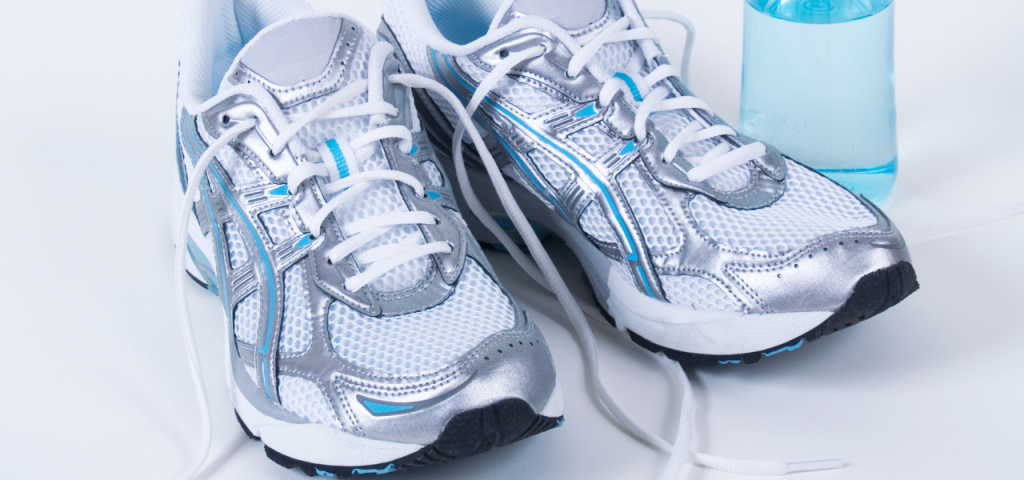
New year often means new trainers, but choosing the right pair is about more than style. Cushioning, structure and fit are essential, especially when training volume increases.
Trainers that have lost their shock absorption or heel support can contribute to issues such as plantar heel pain or Achilles tendinopathy. If you’re unsure what to look for, professional advice can help ensure your footwear supports your movement rather than works against it.
We’ve also recently shared a series of short videos on our social channels, where our lead podiatrist Fi talks through what to look for when choosing trainers, from structure and cushioning to signs it may be time for a replacement.
For some people, additional support can make a significant difference. Insoles or bespoke orthotics help improve alignment, reduce strain on overworked tissues and support more efficient movement.
This can be particularly beneficial for those returning to running, standing for long periods, or managing recurring foot or lower-limb pain. Our podiatrists assess each individual carefully to recommend the most appropriate option for their needs.
You can find out more about our orthotics here.
Resetting your foot health in January isn’t about drastic changes, it’s about making informed, supportive choices that allow you to stay active throughout the year.
At Surrey Foot Service, we support patients with expert assessments, advanced technology and personalised care to help them move comfortably and confidently. Whether you’re easing back into activity or setting ambitious fitness goals, we’re here to help you start the year on the right foot.
With clinics based in Claygate and Esher, we provide expert podiatry care tailored to your needs. To book your next appointment, click here.


