
#keepingyouactive
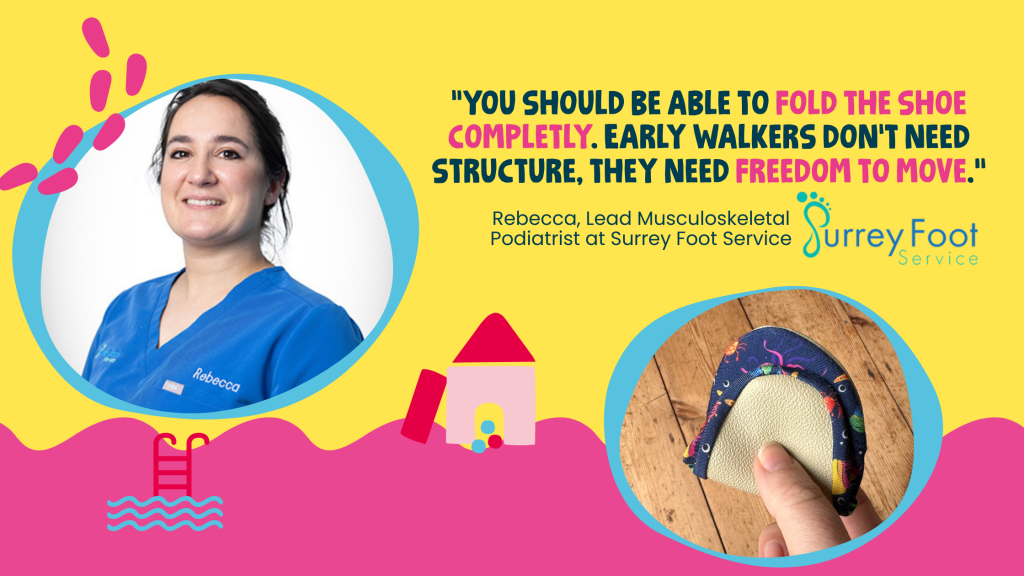
Rebecca, our Lead Musculoskeletal Podiatrist at Surrey Foot Service (MRCPod, HCPC Registered), recently spoke to Slipfree as part of their Littlest Lovescampaign, “Supporting First Steps with Confidence.” The conversation focused on first steps, healthy foot development, and how parents can best support their child during this exciting (and sometimes daunting) stage. Below are some highlights from their discussion, or you can head to Slipfree.co.uk to read the full interview.
👉 Read the full interview on Slipfree:
https://slipfree.co.uk/blogs/news/little-feet-big-moves-supporting-first-steps-with-confidence
One of the most common concerns for parents is whether their child is walking “on time.” Rebecca shared that the normal range for walking is much broader than many people expect.
While some babies may walk from around 9 months, others may not take independent steps until 18–20 months, and both can still be completely healthy. What matters most is steady progress over time, rather than comparison with other children.
Barefoot vs Shoes: What’s Best?
Rebecca explained that barefoot time is ideal whenever it’s safe, as it allows babies to feel the ground, develop balance, and strengthen their feet naturally.
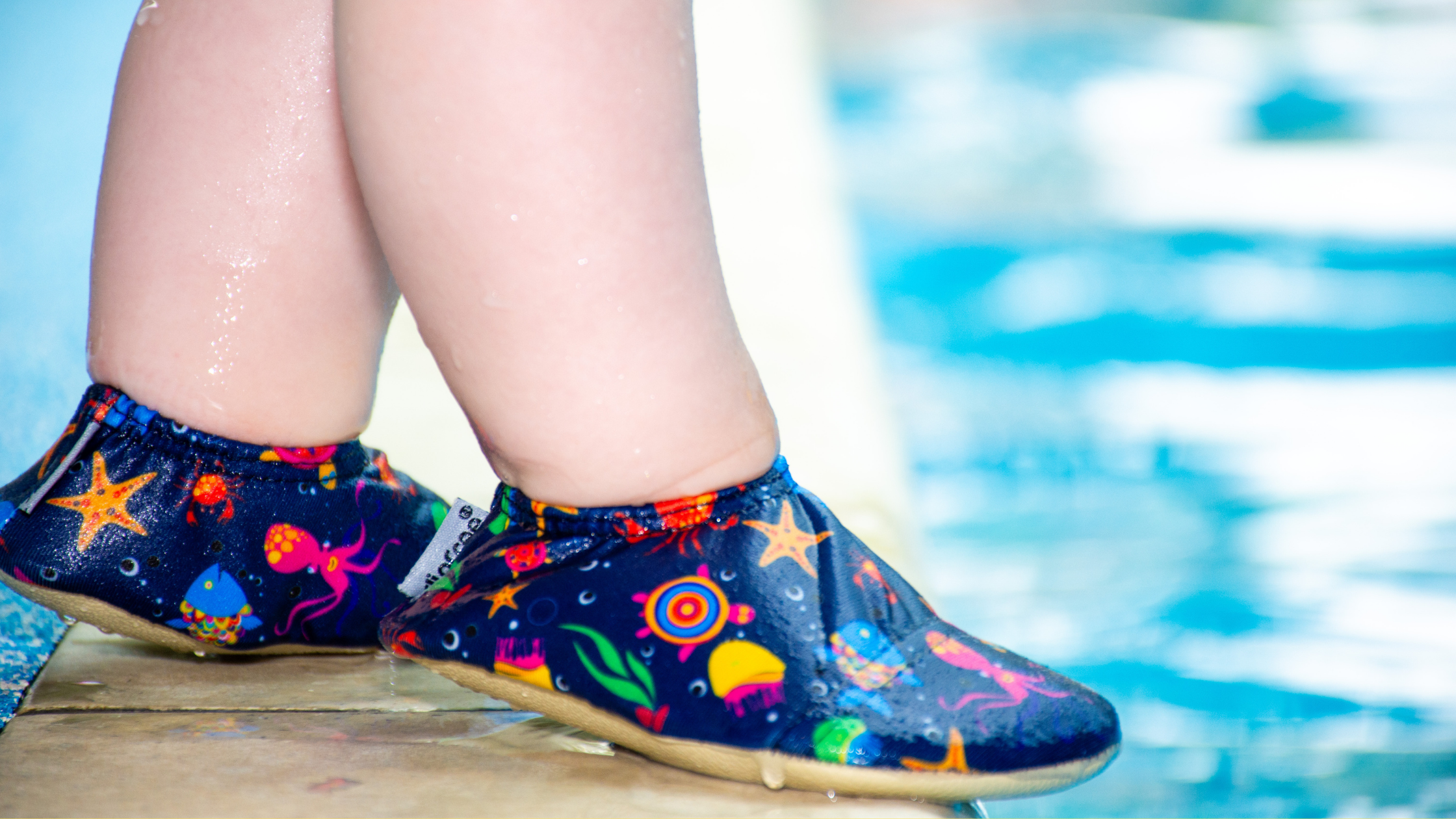
However, barefoot isn’t always practical, particularly in colder environments, outdoors, shared spaces or on slippery floors. In these situations, she recommends soft, flexible, and lightweight footwear that allows natural movement while offering protection.
Before independent walking comes cruising, pulling up, standing, and moving along furniture. Rebecca encourages parents to provide safe, supportive environments where babies can practise at their own pace.
Floor time, stable furniture and encouragement through play all help build strength, balance, and confidence.
Exploration is a vital part of learning to walk. Rather than trying to prevent all tumbles, Rebecca advises focusing on creating safer spaces where babies can practise movement with reduced risk.
This includes being mindful of smooth floors, wet areas, and unfamiliar environments, where additional grip or protection may be helpful.
Choosing the Right Footwear for First Walkers
When footwear is needed, Rebecca advises parents to look for shoes that are:
She also recommends avoiding heavy, rigid or narrow shoes, which can interfere with natural movement and balance.
Rebecca reassured parents that flat feet are very common in babies and toddlers and are usually part of normal development. Arches often develop naturally as children grow.
In shared wet environments, such as swimming pools and changing rooms, verrucas are also common. Good foot hygiene and appropriate protective footwear can help reduce the risk.
Rebecca’s key message to parents is reassurance:
Every child develops at their own pace. By providing safe opportunities to explore and appropriate footwear when needed, parents can help support confident, healthy first steps.
This article is a summary of Rebecca’s interview with Slipfree as part of their Littlest Loves campaign.
👉 For the full conversation and practical parent guidance, visit:
https://slipfree.co.uk/blogs/news/little-feet-big-moves-supporting-first-steps-with-confidence


