
#keepingyouactive
Good circulation plays a vital role in keeping your feet healthy, comfortable and resilient yet it’s often overlooked until problems arise. During National Heart Month, it’s a timely reminder that cardiovascular health and foot wellbeing are closely connected, particularly for those with diabetes, reduced activity levels or increased training demands.
Your feet are furthest from the heart, which means they rely heavily on efficient blood flow to deliver oxygen and nutrients to tissues. When circulation is compromised, healing slows, sensation can be affected and the risk of injury or infection increases.
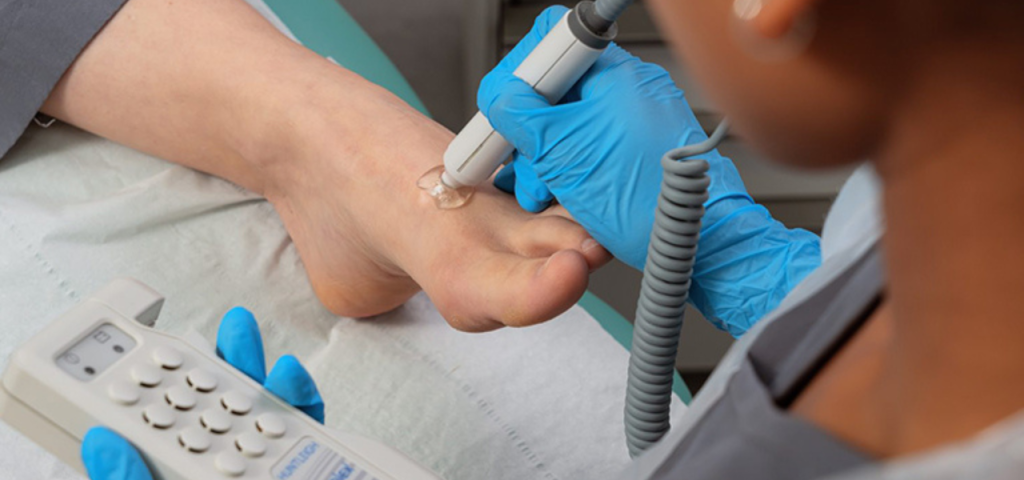
Healthy circulation supports skin integrity, nerve function and muscle performance in the feet and lower limbs. Poor blood flow can contribute to symptoms such as cold feet, numbness, cramping, slow-healing wounds or changes in skin colour.
For some people, these changes are subtle. For others, particularly those with underlying conditions, they can become more serious if left unchecked.
For people living with diabetes, circulation and nerve health are especially important. Reduced blood flow can impair healing, while nerve changes may reduce sensation, making it harder to notice minor injuries or pressure points.
Regular foot checks help identify early signs of circulation or skin changes, allowing issues to be addressed before they progress. Preventative care plays a key role in maintaining long-term foot health.
Modern lifestyles often involve prolonged sitting, whether at a desk, in the car or at home. Reduced movement can affect circulation through the legs and feet, leading to stiffness, swelling or discomfort.
Simple habits such as regular walking, gentle calf exercises and supportive footwear can encourage blood flow and support overall foot health. Even small increases in daily movement can make a noticeable difference.
For runners and those training for spring races or marathons, circulation is essential for performance and recovery. Increased mileage places higher demands on muscles, tendons and joints, all of which rely on efficient blood supply.
Poor circulation may contribute to slower recovery, persistent tightness or recurring injuries. Gait analysis, appropriate footwear and tailored support can help ensure your feet and lower limbs are working efficiently as training intensifies.
At Surrey Foot Service, circulation forms part of our holistic approach to foot health. Assessments include checking skin condition, pulses, sensation and movement patterns to ensure your feet are receiving the support they need.
Whether you’re managing a long-term condition, spending more time seated or increasing your activity levels, professional advice can help keep your feet healthy and resilient.
Foot health is often an early indicator of wider circulatory issues. Paying attention to changes in comfort, temperature or sensation can provide valuable insight into your overall wellbeing.
Here at Surrey Foot Service, we offer expert podiatry care focused on prevention, education and long-term movement. Book your appointment online to take the next step in protecting your heart and your sole!


